


Fitness App Development Cost in 2025.
Fitness App Development Cost in 2025: What to Expect from a Top Fitness App Development Company. When looking for a top fitness app development company, you can expect cutting-edge technology, innovative features, and a user-friendly interface. These companies will have a team of experienced developers who understand the latest trends in health and fitness.
 Mera Template



Introduction
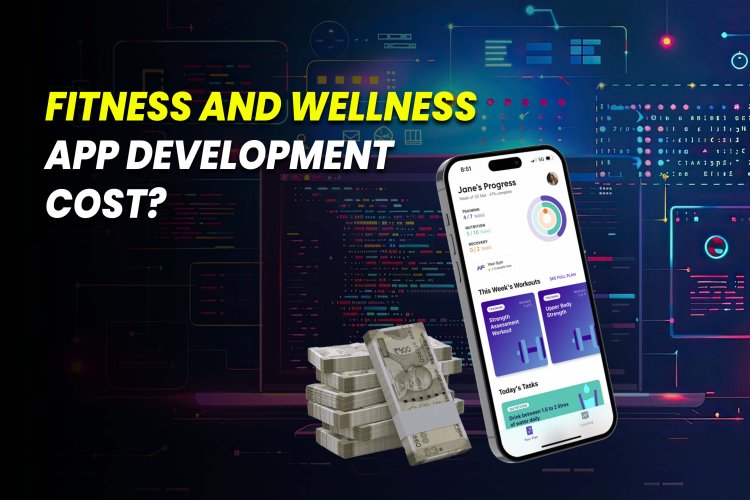
Fitness app development is on the rise in 2025 as more consumers become health conscious and demand more intelligent and personalized mobile experiences. Whether the app is for a startup or a fitness brand established in the industry, realizing fitness app development costs is the key into getting in. A lot of things are considered in determining the investment costs, from feature integration to hiring developers. A fitness app development company that one can trust will assure that not only is the app well built; it is also in sync with the current trends and user expectations.
Cost-Bearing Considerations in Fitness App Development
Fitness app development costs vary in 2025 anywhere from rupees 25,000 to an excess of 120,000, the more complex the app is, the higher the range of price goes. The design, the main platforms, which can be iOS, Android, or both, and, lastly, the geographical scope of fitness app developers-all this influences the final costs the most. Basic apps covering key aspects, such as workout tracking, timer, and progress logging, lie on the lower end of the pricing spectrum, while feature-heavy platforms offering artificial intelligence coaching, live integrations with wearables, and real-time video sessions can inch toward the ever-upward cost scale.

Key Features Users Demand
Commonly required features nowadays in a fitness app include:
- User profiles and goal-setting functions
- Workout libraries and video tutorials
- Activity and progress tracking
- Smartwatch and wearable device integration
- Push notifications and reminders
- In-app purchases and subscription plans
- Community/social sharing features
How to Develop a Fitness App: Features, Costs, and Developer Insights
With the high demand for digital wellness platforms, several startups and businesses are researching how to develop a fitness application. Are you a personal trainer, a gym brand, or a health-tech entrepreneur? Making a great app is much more than coding; it requires strategy-development, feature-planning, and working with the best fitness app development company in town.
Key Features Every Fitness App Should Have
A competitive fitness app would generally have the following set of features:
- Personalized workout plan
- Activity tracking and analytics
- Video demos
- Wearables integration
- Nutrition and meal logging
- Goal setting and progress tracking
- Community support and chat features
Depending on the fitness app development services you choose, more sophisticated apps might include AI coaching, augmented-reality workouts, or live streaming.
Choosing the Right Fitness App Developers
Working with seasoned fitness app developers ensures that your app performs smoothly across platforms. A trustworthy health and fitness app development company will help outline target audiences, user journeys, and the appropriate tech stack. They will also help with UI/UX design, backend configuration, API integration (e.g. Apple HealthKit, Google Fit), and post-launch maintenance.
Health and Fitness App Development Company vs. Freelancers: What’s Best for You?
When it comes to the application development of fitness apps, one of the preliminary decisions is to either let a health and fitness application development company handle the app development or to hire individual fitness app developers. Both of these have their advantages, but the choice you make will impact the project's total cost, quality, and duration to a great extent. Here's a breakdown to know what would suit your fitness app project best.
Why Choose a Fitness App Development Company?
A company for developing fitness apps provides all - a full-service company for the client, from concept to deployment, covering the entire process like design, coding, testing, and support. Most of these companies have specialized services on development.
Expert UI/UX designers for fitness-focused user experiences
Backend and frontend developers for seamless performance
Project managers to keep development on track
Post launch maintenance, scaling options.
Working with a company would also mean more wide expertise in fitness mobile app development when it comes to wearables, AI, or subscription models. They rather don't forget to cover all fitness application features from the basic tracker to personalized workouts and real-time coaching. Therefore, if you want a scalable, competitive product for the market, a company is well equipped to make large-scale solutions in health and fitness app development.
When It Makes Sense to Work With Freelancers
Cheap costs are usually thought of as the primary reason for going in for freelancers, especially when it is a simple MVP. An independent fitness app developer gives more control and flexibility to a startup, especially a small one or an early-stage startup. There are various oft-experienced freelance fitness app developers who can undertake specified jobs at an incredibly low price: front-end design or backend logic. It can, however, deteriorate into management hell, especially when you are juggling with multiple freelancers, as some drop out during the job. You’ll also have to shepherd the project with regard to coordination, testing, and QA unless you bring those resources in-house.
Expenses and Revenue
On the whole, app development using freelancers is cheaper. It could cost anywhere from $10,000 to $50,000, depending on the complexity of the job. A fitness app development company would generally be more expensive from the outset ($30,000 to $150,000) but offer a more organized approach. Either alternative would be able to pursue several ways of generating revenue for the fitness app—say, freemium, subscription, or in-app purchases. The option of employing a health and fitness app development company or freelancers depends largely on your budget, timeline, and technical capacity. Employ the services of a company if you desire an all-in-one dependable team capable of getting to market on time. The best bet is a freelancer if you wish to test an idea or work flexible.
Must-Have Aspects for a Successful Fitness Application: The Essential Features in This List
With the digital health revolution expected to advance, fitness applications have sort of become waypoints for people who want to remain active and healthy. But, it is not about just having app without having being really different—especially with regard to features, in an overcrowded market like this. Here is all that any successful fitness app would include whether you were building a brand new app or upgrading an existing one.
- Personal User Profiles, as well as Onboarding
A great app must begin with the end-user. Allow creating of personalized profiles that allow input on goals, preferences, and fitness levels. Onboarding experience that is smooth, personalizing recommendations to that data engages consumers right from day one.
- Workout Library and Plans
Develop a library that offers guided workouts from beginner to advanced levels, then categorize them based on the goal (weight loss, muscle gain, or flexibility, etc.). Include all other things like video tutorials, step-by-step instructions, and timers to ensure the users will be guided throughout the routines.
- Progress and Activity Tracking
Tracking is vital to having that motivational push. Let users log their workouts, monitor their calories being burnt, and reflect on improving their strength, stamina, or even weight over the course of time. You can even add progress graphs as well as milestone achieves to help motivate them even more.
4. Integration with Wearables and Health Apps
Users expect smooth syncing with devices such as Fitbit, Apple Watch, or Google Fit. Their integration allows real-time data gathering, such as steps, heart rate, and sleep patterns, thus creating more functionality and precision for the app.
- Meal and Nutrition Planning
A complete fitness app mustn't focus solely on workouts but assist users with meal plans, calorie tracking, and hydration reminders. Barcode scanning and macro-nutrient breakdown are popular and helpful features.
- Reminders and Notifications
Push notifications for upcoming workouts, goals, and rest days help keep users accountable. Smart reminders that are habit-activated may improve engagement without being disruptive.
- Social Features and Community Support
Let users create groups, participate in challenges, and share accomplishments with friends. Community building is a great motivation booster and promotes the regular use of the app.
- Subscription and Payment Options
If you provide premium features, mention secure payment gateways and any clear subscription model. Freemium options, allowing users to purchase upgrades for exclusive content, work great.
Custom Fitness App Development Cost: What Fitness App Developers Want You to Know
Wondering about making a custom fitness app? Well, that's a great idea because more and more people are going in for fitness and wellness solutions. However, before embarking on this journey of the app making process, one's gotta know the cost of making that app as well as the factors that determine its cost. Whether you are a start-up or an established brand, knowing how fitness app developers price their services is important to inform and budget-wise decision-making.
The hypothesis of all factors core to fitness app development costs. The cumulative costs that you may incur while developing a fitness app depend on many other factors: complexity of features, quality of design, platform (iOS, Android, or both) and time of development. A simple fitness application with features such as user profile, workout videos, and a general tracker can cost anywhere between $20,000 and $40,000. On the other end of the spectrum, advanced apps with real-time, live data syncing, wearables integration, AI coaching, and nutrition planning can go as high as $100,000.
Impacts of Features of the App on Price
The cost estimation of this app relies heavily on the list of features it offers. These are examples of features:
- User onboarding and profiles
- Workout libraries and video content
- Progress tracking and analytics
- Integrate with smart wearables
- Meal and hydration planners
- Live chat or coaching support
In-app purchases and subscription management
With every additional feature, more time and money is spent developing the app. These features are implemented well and securely in the hands of a professional fitness app development company.
3. Custom vs Pre-built solutions
Pre-built application templates may appear to be cheaper initially but do not allow too much customization in terms of development. A fitness app customized to the core by a skilled fitness app developer can enable maximum flexible scalability and a unique user experience that resonates with your brand and with your target audience.
- Selecting the Appropriate Partner for Development
Hiring a reputed health and fitness app development company will make things easy for somebody. Such firms offer end-to-end developmental services for fitness apps, including UI/UX design, back-end development, testing and even maintenance. While an independent freelancer's rates could appear higher on an hourly basis, these companies afford the structured workflow and collaborate toward realizing multi-party complex builds.
- Monetization and Revenue Models
While putting up the prices, don't forget to count the fitness revenue model in your fitness application- subscription, freemium access, ads, or partnerships. Your development partner can work with you to set up payment gateways and user flow design which advances conversion rates.
Fitness Mobile Application Development Cost: MVP to Scale
In 2025, building a fitness mobile app is not simply about placing an app on the app store; it pertains to creating a full-fledged, scalable digital fitness ecosystem. For some startups, the building of the Minimum Viable Product (MVP) might be the first avenue to explore, while for enterprises wishing to compete with a fully-featured platform, it then is the service offered by any fitness app development company to carefully take a look into the cost of fitness mobile app development. Thus comes the evolution of this article, giving cost estimates from the initial idea to a long-term successful venture.
- MVP: Start Lean, Learn Fast
The Minimum Viable Product seems like a smart choice to get into the fitness app business with some core functionality. This usually means user registration plus basic workout plans, progress tracking, and notifications. The real aim is user validation and exposing you to testing the market fit without burning too much money.
- Expected Cost: $15,000-$30,000
- Development Timeline: Two to four months
- Best For: Startups and early-stage brands
By now, it would be helpful to work with a fitness mobile application development company to ensure your MVP is technically sound and ready to scale for expansions based on real user feedback.
2. Scaling Up: Advanced Features and Integration
There comes a time in the life of an MVP when it begins to set fires all across the land; that time is scaling. You may be looking at adding features from an exhaustive list of certain fitness app features like:
- Wearables (for example: Apple Watch, Fitbit)
- AI-based personal coach
- Customizable workout-builder
- Dieting, nutrition, and meal planning
Social and community features
This stage requires deeper mobile fitness app development expertise and longer cycles for development. Now, you would also require back-end infrastructure handling increasing amounts of data and users.
- Estimated Cost: $50,000 – $120,000+
- Development Time: 6 months–1 year
- Best For: Funded startups, growing fitness brands
- Cost Variables to Consider
- Platform: iOS, Android, or both?
- Design complexity: Custom UI/UX vs. standard templates
- Third-party tools: APIs, analytics, and fitness databases
Development associate: Freelance fitness app developers are usually less expensive, but a professional health and fitness app development company would give you quality, secure app development, and support.
- Monetization Strategy
The fitness app revenue model under consideration—subscription, freemium, ad-supported, or business-to-business licensing—also influences all operational costs. Different app monetization models require lots of unique features like secure payment integration and user tier management.
Thank you so much
My Contact Number is +91 95187 40169